The digital landscape of X (Twitter) has become a battlefield as a massive cultural conflict erupts between South Korean netizens (Knetz) and a unified bloc of Southeast Asian netizens (#SEAblings). Triggered by a K-pop concert incident in Malaysia, the dispute has rapidly expanded into a complex debate involving racial identity, national defense, and economic power dynamics in the 21st century.
The "Digital Great War": Deep-Diving the Knetz vs. SEAblings Conflict on X
By Michael Choi – Local Insider, Seoul (Feb 2026)
Living in the heart of Seoul, I’ve watched K-pop transform from a local subculture into a global hegemony. But with great power comes great friction. Over the past few days, my social media feed has been dominated by a unprecedented level of animosity. What started as a minor disagreement over concert rules has mutated into a full-scale "Digital Great War."
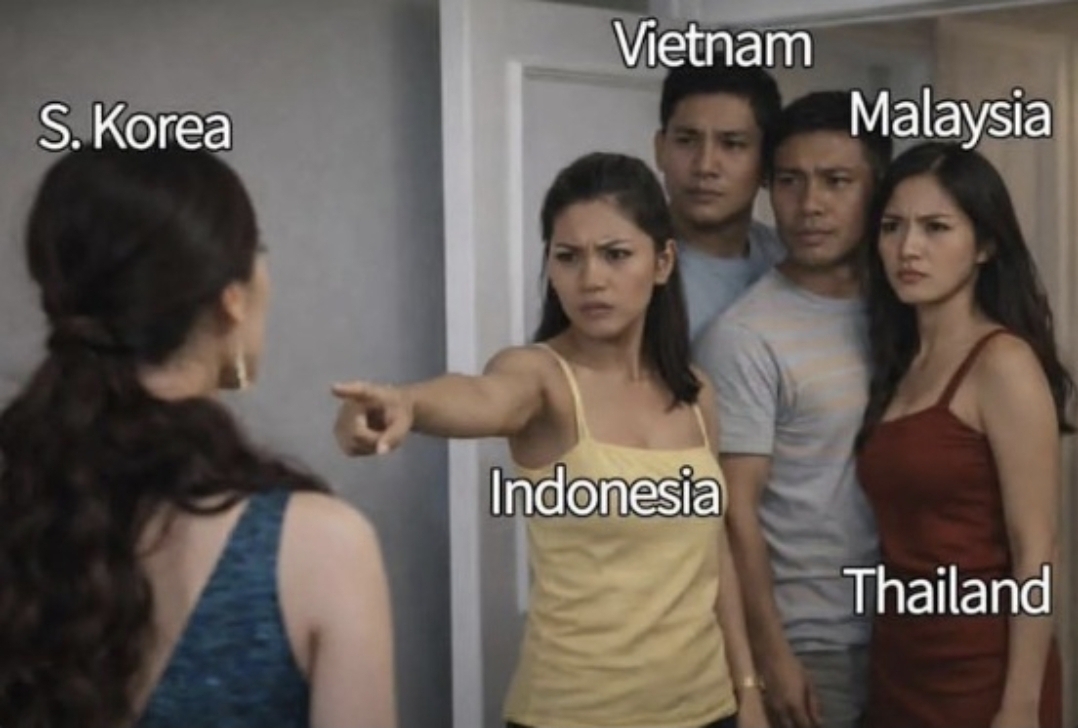
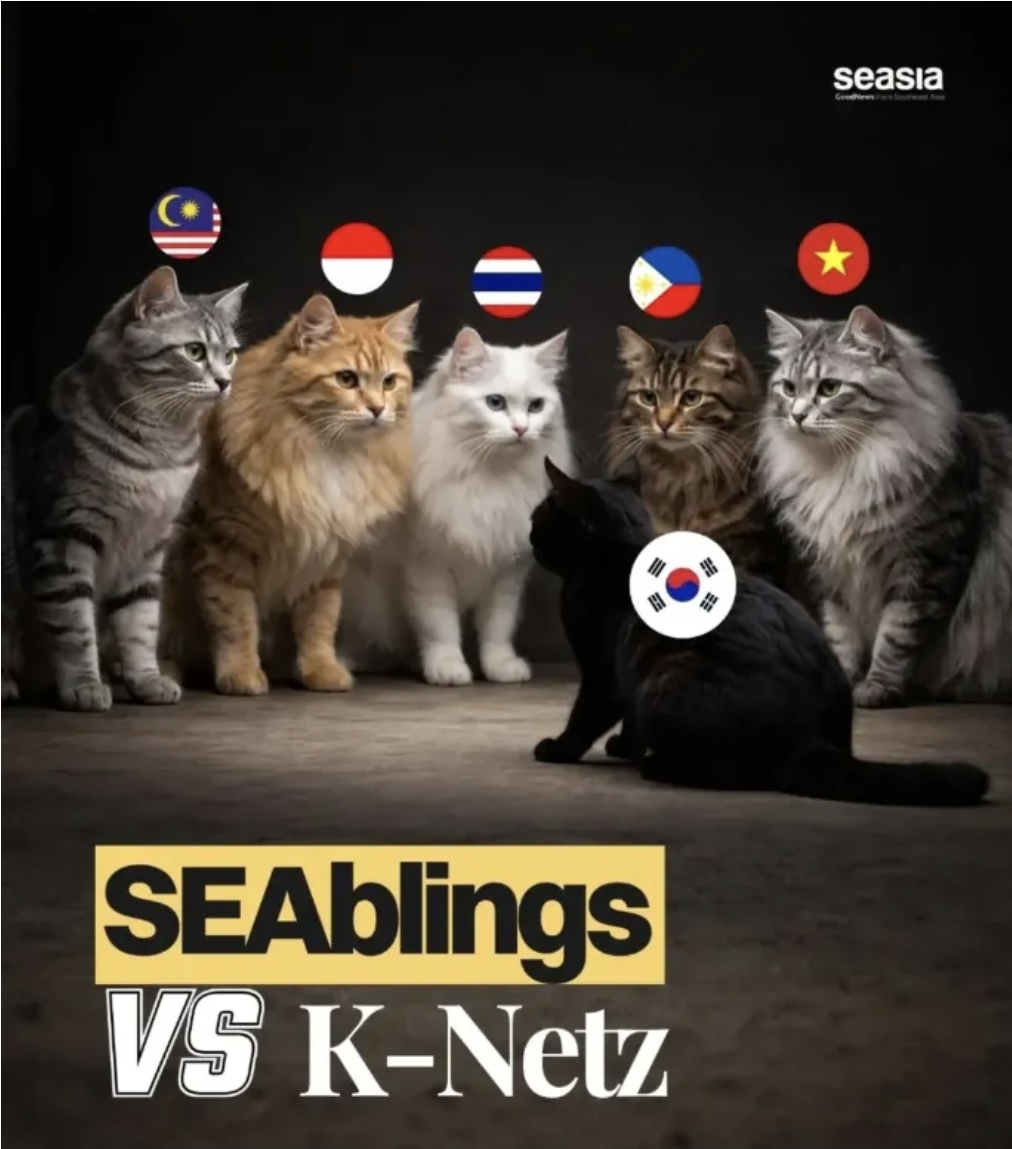
On one side, we have Knetz (Korean Netizens), known for their fierce loyalty and organized online presence. On the other, a coalition known as #SEAblings—a portmanteau of "Southeast Asian Siblings"—comprising netizens from Indonesia, Malaysia, Thailand, Vietnam, and the Philippines. This isn't just a fan war; it's a structural collision of regional identities.
1. The Catalyst: The "Camera Rules" Incident in Malaysia
The fire was lit at a concert for the South Korean band Day6 held in Malaysia. In the high-stakes world of K-pop, "fansites" (professional-level fan photographers) are a double-edged sword. They provide high-quality, free marketing for idols, but their methods are often controversial.
The Conflict over 'Fansite Culture'
During the Kuala Lumpur show, several Korean fansite masters reportedly brought heavy professional DSLR equipment into the venue, explicitly defying local safety and copyright regulations. When local Malaysian security and fans attempted to stop them—citing that the massive lenses were blocking the view of paying attendees—the situation turned sour.
Videos began circulating of Korean fansites arguing with local staff, claiming that their "contribution to the artist's fame" should grant them an exception. When this hit X, the Malaysian K-pop community was quick to point out the arrogance. However, the response from a segment of Knetz was unexpectedly aggressive, triggering a chain reaction of cultural elitism.
2. Evolution of the Conflict: The Rise of #SEAblings
Traditionally, Southeast Asian nations have their own internal rivalries (e.g., Malaysia vs. Indonesia). However, the derogatory remarks from Knetz—which focused on skin color, economic status, and physical features—acted as a unifying force. For the first time, we saw a massive, borderless coalition of ASEAN netizens forming a defensive line.
Key Flashpoints of Animosity
The escalation followed a specific pattern of escalation that moved from music to socio-economic insults:
- "We exported the culture; you should be grateful."
- "Your countries rely on Korean companies for GDP."
- "The quality of your local entertainment is 'low-tier'."
- "Respect our laws and our people if you want our money."
- "Economic investment isn't an excuse for racism."
- "Stop the 'White Savior' or 'First-World' complex."
The situation turned particularly toxic when Knetz began targeting an Indonesian vocal group, No Na. Their music video, set in a traditional rural landscape with rice fields, was mocked by Korean users as "primitive" or "backward." This was the tipping point for millions of Indonesian netizens—famously known as the most "vocal" digital citizens in the world.
3. The Geopolitical Dimension: KF-21 and Samsung
This is where the fight gets uniquely "Korean." Unlike Western fan wars, Knetz often tie cultural superiority to national industrial success. The arguments quickly shifted to high-stakes geopolitics to "prove" Korean dominance.
| Industry/Topic | The Korean Netizen Argument | The Southeast Asian Reality |
|---|---|---|
| Defense (KF-21) | Indonesian "spies" tried to steal tech and failed to pay dues. | A government-level partnership issue, not a reason to hate citizens. |
| Economy (Samsung) | Vietnam's economy would collapse without Samsung factories. | Mutually beneficial; Vietnam provides the labor and land for Korean profits. |
| Purchasing Power | "Southeast Asian fans don't buy enough albums to talk." | SEA accounts for the highest streaming volumes and concert revenue growth. |
4. The "Meme War": SEAblings’ Strategic Counter-Strike
As the conflict matured, the #SEAblings shifted from emotional defense to a more strategic, digital guerrilla warfare. Southeast Asian netizens, particularly from the Philippines and Indonesia—who are renowned for their high English proficiency and savvy internet culture—began to exploit what they perceived as the "Achilles' heel" of Knetz: the language barrier and global isolation.
Targeting the "Broken English" and "Insularity"
A major trend on X involved SEAblings mocking the English proficiency of Korean accounts. They pointed out that while Knetz were trying to insult them on a global platform, their inability to communicate effectively in English made their arguments look "petty" or "uneducated" to the international community. This flipped the narrative of "superiority" on its head.
Moreover, SEAblings began a massive campaign of "Cultural Counter-Marketing." They flooded the #Kpop and #Knetz hashtags with high-quality photos of Southeast Asian architecture, luxury resorts, and tech hubs, directly challenging the "underdeveloped" stereotype. The message was clear: "We are not who you think we are, but you are exactly who we thought you were."
5. The Economic Paradox: "Arrogance vs. Revenue"
One of the most heated parts of the debate on FM Korea and other domestic forums is the claim that "Southeast Asian fans have no purchasing power." However, looking at the data from a local business perspective in Seoul, this is a dangerous misconception.
They believe only China, Japan, and the US matter because of high per-unit album sales and "rich" fandoms. They view SEA as a "free-streaming" region.
SEA countries represent the fastest-growing middle class. They dominate YouTube views, Spotify streams, and "Sold Out" stadium tours that sustain the industry between comebacks.
If we look at the numbers, the "K-Premium" in Southeast Asia is what allows Korean brands—from cosmetics to electronics—to maintain a luxury image. By damaging this cultural "Cool Factor" through online racism, Knetz are essentially sabotaging the very corporations (Samsung, LG, Hyundai) they use as shields in their arguments.
6. Conclusion: A Wake-Up Call for Global Korea
The "Digital Great War" between Knetz and SEAblings is more than just a trending topic; it’s a symptom of a Cultural Maturity Gap. South Korea has achieved "developed nation" status with lightning speed, but some segments of its online society are still clinging to an outdated, hierarchical view of the world.
The Road Ahead
To remain a global leader, the Korean digital community needs to move beyond "Economic Supremacy" and embrace "Cultural Empathy." The SEAblings have shown that they are no longer willing to be silent consumers of a culture that looks down on them.
As we move further into 2026, the success of Hallyu will depend not on how many fighter jets we sell or how many albums we ship, but on how much respect we command as a society. It's time for the "Local Insider" to tell the truth: Racism is a bad business model.
Is there a specific Southeast Asian country's market data or local sentiment you'd like me to dive into next to see the potential economic impact of this boycott?
7. A Personal Note from Seoul: Why We Must Stop the Fighting
As I wrap up this analysis, I want to step away from the data, the GDP figures, and the geopolitical tensions for a moment. I am writing this from a café in Itaewon, Seoul—a place where cultures from all over the world, including many of my friends from Southeast Asia, come together every day.
Living here as a local insider, I see the best of both worlds. I see the incredible hard work and passion of Koreans who built this country from nothing. But I also see the immense love, creativity, and digital energy that fans from Jakarta, Manila, Bangkok, and Hanoi bring to the Korean Wave. Without you, the "K" in K-pop would lose its global sparkle.
We Are More Alike Than We Are Different
It pains me to see my social media feed turned into a battlefield of hate speech and racial slurs. Whether you are a netizen in Seoul or a member of the #SEAblings, we all share the same love for music, the same aspiration for a better future, and the same digital space.
Building Bridges, Not Walls
Seoul is a city that thrives on connection. Our technology, our food, and our music are all bridges. When we fight like this, we are just building walls that isolate us. As someone who calls Seoul home but views the world as one community, I truly hope we can move past this "Digital Great War."
Let’s go back to the music. Let’s go back to the mutual respect that made Hallyu a global phenomenon in the first place. The world is small enough as it is—let’s not make it smaller with hate.
"Culture should be a conversation, not a competition. Let's choose kindness over keyboards."
– Michael Choi


